Get Wood Siding Installation
Local contractors can install wood siding to enhance curb appeal, protect structures, and address issues like rot, damage, or outdated exterior finishes.
Wood siding installation is a popular choice for property owners looking to enhance the appearance and durability of their buildings. Whether planning a renovation or building new, exploring local contractor options can help ensure the project aligns with your property's style and needs. Comparing experienced service providers in the area can provide valuable insights into available materials, installation techniques, and solutions that suit your specific property.
Understanding the benefits of professional wood siding installation can support informed decision-making as you consider your project. Local contractors often have a deep familiarity with regional building standards and climate considerations, making them well-equipped to handle various siding needs. Continuing to explore your options can help identify the best local service providers to bring your vision to life.
- New Wood Siding Installation - needed when building a new home or adding a traditional exterior finish.
- Wood Siding Replacement - required when existing siding has become damaged, rotted, or outdated.
- Wood Siding Repair - appropriate for fixing cracks, holes, or other minor issues to restore siding integrity.
- Wood Siding Refinishing - essential for maintaining appearance and protecting wood surfaces through staining or sealing.
- Wood Siding Restoration - necessary when restoring historic or aged wood siding to preserve its original character.
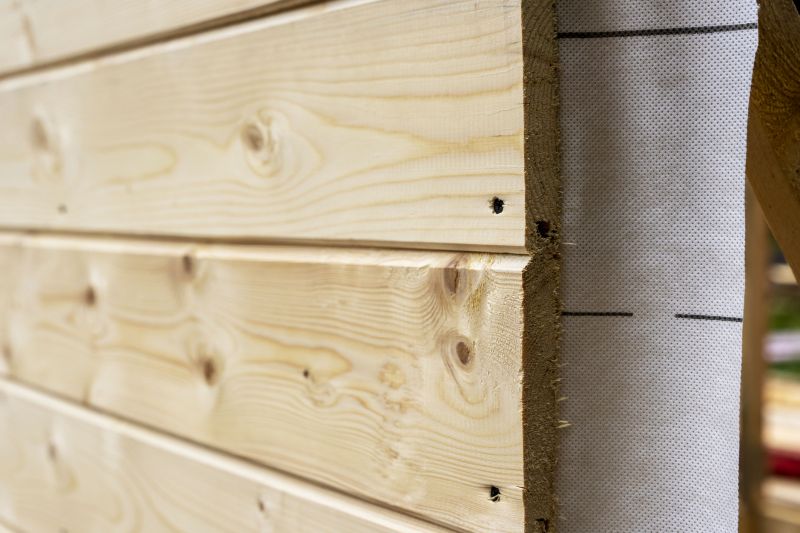
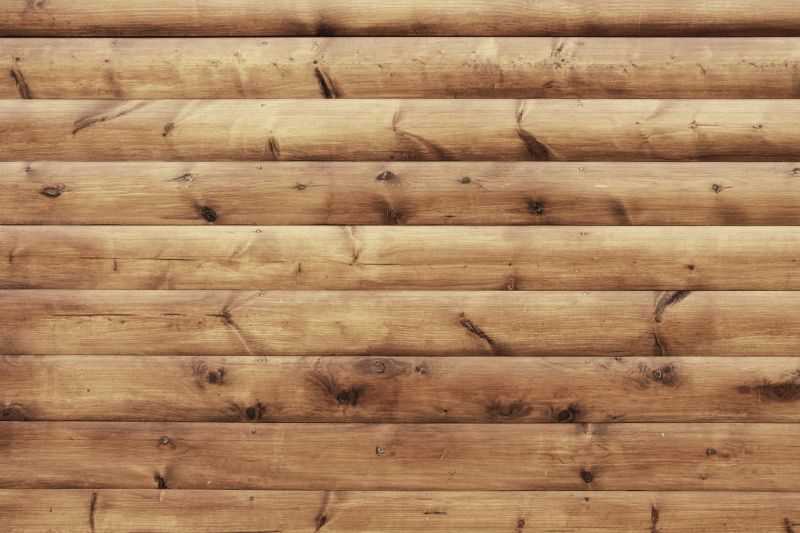
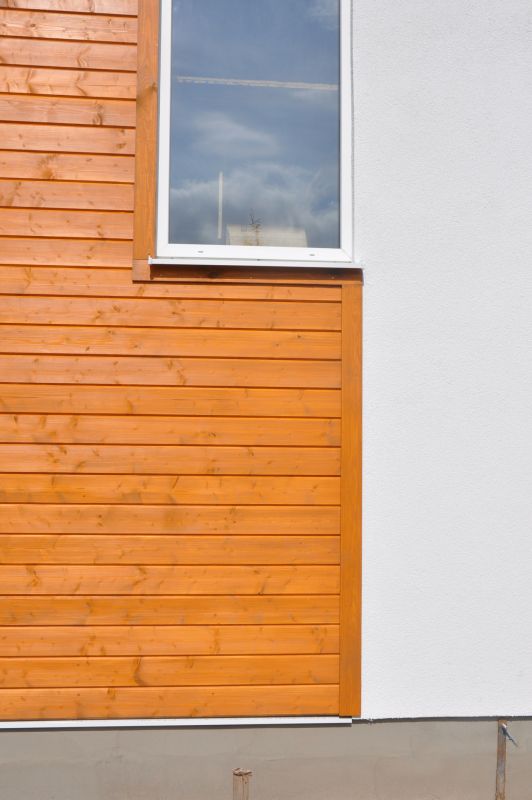
Wood siding installation involves attaching wooden panels or planks to the exterior walls of a property to enhance its appearance and provide a protective barrier against the elements. This service typically includes preparing the building surface, selecting appropriate types of wood, and securely installing the siding to ensure durability and a polished look. Skilled contractors focus on achieving a seamless fit and finish, which not only improves curb appeal but also helps prevent issues like moisture intrusion and structural damage caused by weather exposure.
One common reason homeowners seek wood siding installation is to address deteriorating or damaged existing siding. Over time, wood can rot, warp, or develop cracks due to exposure to moisture, pests, or age. Installing new wood siding can restore the exterior’s integrity, improve insulation, and prevent further deterioration. Additionally, some property owners opt for wood siding to update the style or appearance of their home, as it offers a classic, natural look that complements various architectural designs.
Wood siding is frequently used on residential properties such as single-family homes, cottages, and historic houses. It’s also popular for certain commercial buildings that aim for a traditional or rustic aesthetic. These structures benefit from the natural insulation properties of wood and its ability to be painted or stained in different colors, allowing for customization. Service providers can help determine the best type of wood and installation method suited to the specific needs and style preferences of each property.
Homeowners who notice issues like peeling paint, warping, or signs of water damage on their exterior walls may find wood siding installation to be a practical solution. It’s also a good choice for those planning a renovation or seeking to improve energy efficiency through better insulation. Local contractors experienced in wood siding can assess the condition of existing exteriors, recommend suitable materials, and handle the installation process to ensure the finished result enhances both the look and protection of the property.
The overview below groups typical Wood Siding Installation projects into broad ranges so you can see how smaller, mid-sized, and larger jobs often compare in your area.
In many markets, a large share of routine jobs stays in the lower and middle ranges, while only a smaller percentage of projects moves into the highest bands when the work is more complex or site conditions are harder than average.
Smaller Repairs - Minor wood siding repairs typically cost between $250 and $600, covering patchwork or replacing individual boards. Many routine repair jobs fall within this range, depending on the extent of damage and material costs.
Partial Replacement - Replacing sections of wood siding usually ranges from $1,000 to $3,000 for most homes. Larger, more complex projects can reach higher prices, especially if matching existing siding or custom work is needed.
Full Siding Replacement - Complete installation of new wood siding generally costs between $5,000 and $15,000, depending on the size of the property and the type of wood used. Many full replacements fall into the middle of this range, with larger homes pushing into higher tiers.
Complex or Custom Projects - Highly detailed or custom wood siding installations can exceed $20,000, especially for large or intricate designs. These projects are less common and typically involve premium materials or unique architectural features.
Actual totals will depend on details like access to the work area, the scope of the project, and the materials selected, so use these as general starting points rather than exact figures.
Exterior Wall Cladding - Local contractors skilled in wood siding installation often have experience with other types of exterior wall coverings, ensuring proper application and durability.
Deck and Porch Building - The carpentry and planning skills used in wood siding projects are applicable to constructing and installing decks and porches.
Interior Wood Paneling - Similar techniques and tools are used for installing interior wood wall panels, requiring precise measurements and fastening methods.
Fence Construction - Building wooden fences involves similar planning, framing, and fastening skills as those needed for siding installation.
Roofing and Soffit Installation - Installing soffits and eaves shares techniques related to woodwork and weatherproofing with siding projects.
Home Exterior Repairs - Repairing or replacing damaged siding or wood elements involves skills in assessment, matching materials, and precise installation by local service providers.
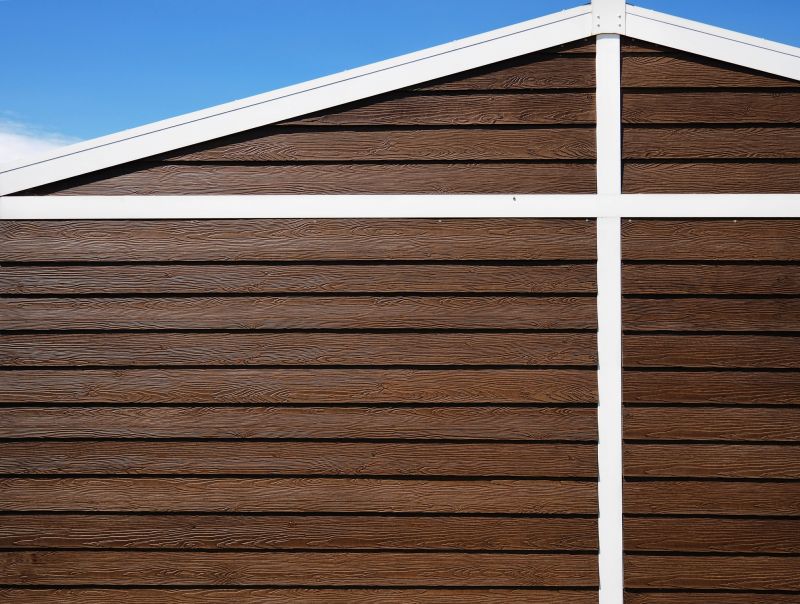
When evaluating potential service providers for wood siding installation, it’s important to consider their experience with similar projects. Homeowners should look for local contractors who have a proven track record of successfully completing wood siding jobs comparable in scope and style. This can provide confidence that the contractor understands the specific requirements of working with wood siding materials and can handle the unique challenges that may arise during installation. Asking for examples of past work or references from previous clients who had similar projects can help gauge the contractor’s familiarity and competence with this type of work.
Clear, written expectations are essential for ensuring a smooth project process. Homeowners should seek out local pros who can provide detailed descriptions of their services, including the scope of work, materials used, and any relevant warranties or guarantees. Having these details documented helps prevent misunderstandings and provides a reference point throughout the project. It’s also beneficial to discuss and agree upon project timelines, payment terms, and responsibilities upfront, so both parties have aligned expectations from the start.
Good communication and reputable references are key indicators of a reliable service provider. Homeowners should prioritize local contractors who are responsive, transparent, and willing to answer questions thoroughly. Talking to previous clients or reading reviews can offer insights into the contractor’s professionalism, reliability, and ability to maintain open lines of communication. Remember, the goal is to work with local pros who demonstrate respect for the homeowner’s needs and preferences, ensuring a positive experience from initial contact to project completion.
Property owners use Wood Siding Installation services for practical projects around their homes and businesses. This guide focuses on everyday jobs and straightforward project options.
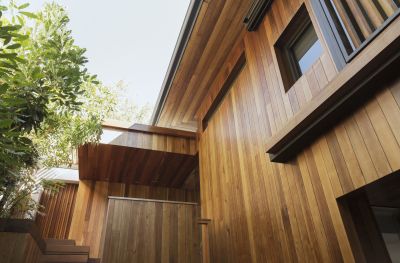
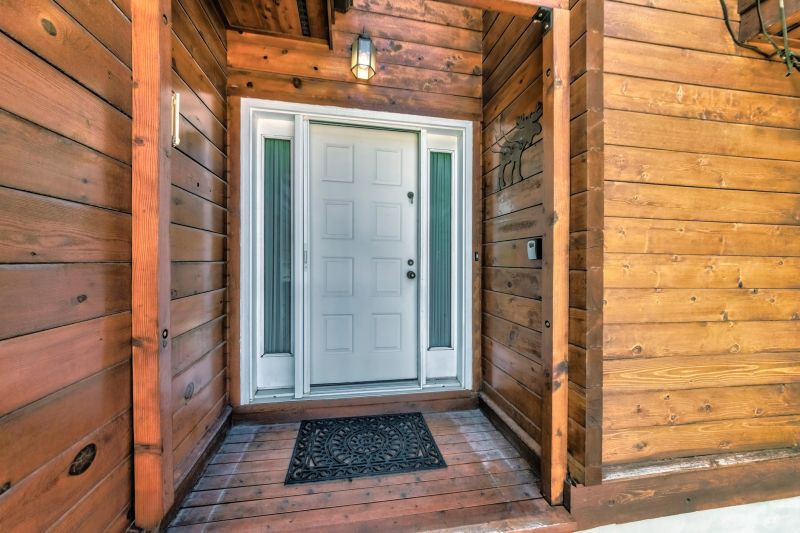
Wood siding installation is a common project for property owners looking to improve the appearance and durability of their homes. Whether a house has aged siding that needs replacement or a new build requires exterior cladding, local contractors can provide the expertise needed to handle the job efficiently. Property owners may seek these services to enhance curb appeal, protect the structure from weather elements, or update the style of their home with a timeless material.
Many property owners also turn to local service providers when their existing wood siding shows signs of damage, such as warping, cracking, or rot. Upgrading or repairing siding can help prevent further issues and maintain the property's value. Local contractors are equipped to assess the condition of existing siding and recommend appropriate solutions, making it easier for homeowners and business owners to keep their exteriors in good condition.
What types of wood are commonly used for siding installation? Common options include cedar, pine, and redwood, each offering different aesthetics and durability levels suitable for various homes.
How do I know if my home is suitable for wood siding installation? A local contractor can assess your home's exterior to determine if wood siding is a practical choice based on existing structure and environmental conditions.
What preparations are needed before installing wood siding? Proper surface cleaning, repairing any existing damage, and ensuring a solid, level wall are important steps that local service providers can assist with.
Can wood siding be installed on any type of exterior wall? Wood siding can be adapted to various wall types, but a professional assessment can confirm compatibility and necessary modifications.
What maintenance is required after wood siding installation? Regular painting or staining, cleaning, and inspections are recommended, with local contractors offering guidance on upkeep practices.
Enhance Home Curb Appeal - Installing new wood siding can refresh the exterior look of a property, making it more attractive and inviting. Local contractors can help achieve a classic or modern style that complements the neighborhood.
Improve Weather Resistance - Proper wood siding installation provides a protective barrier against the elements, helping to keep the interior dry and comfortable. Service providers can ensure the siding is properly sealed and weatherproofed.
Increase Property Value - Upgrading to quality wood siding can boost the overall value of a home by enhancing its appearance and durability. Experienced local contractors can assist with selecting and installing the right siding options.
Customize Exterior Design - Wood siding offers versatile design possibilities, allowing property owners to match their personal style or architectural preferences. Local pros can help with choosing textures, finishes, and installation techniques.
If you are thinking about Wood Siding Installation for a property, this guide is meant to help you understand the work, the typical project types, and how different options might fit your plans.
When you are ready, you can use the quote form on this page to share a few details about your project. From there, local pros can review the basics and respond with options that match what you have in mind.